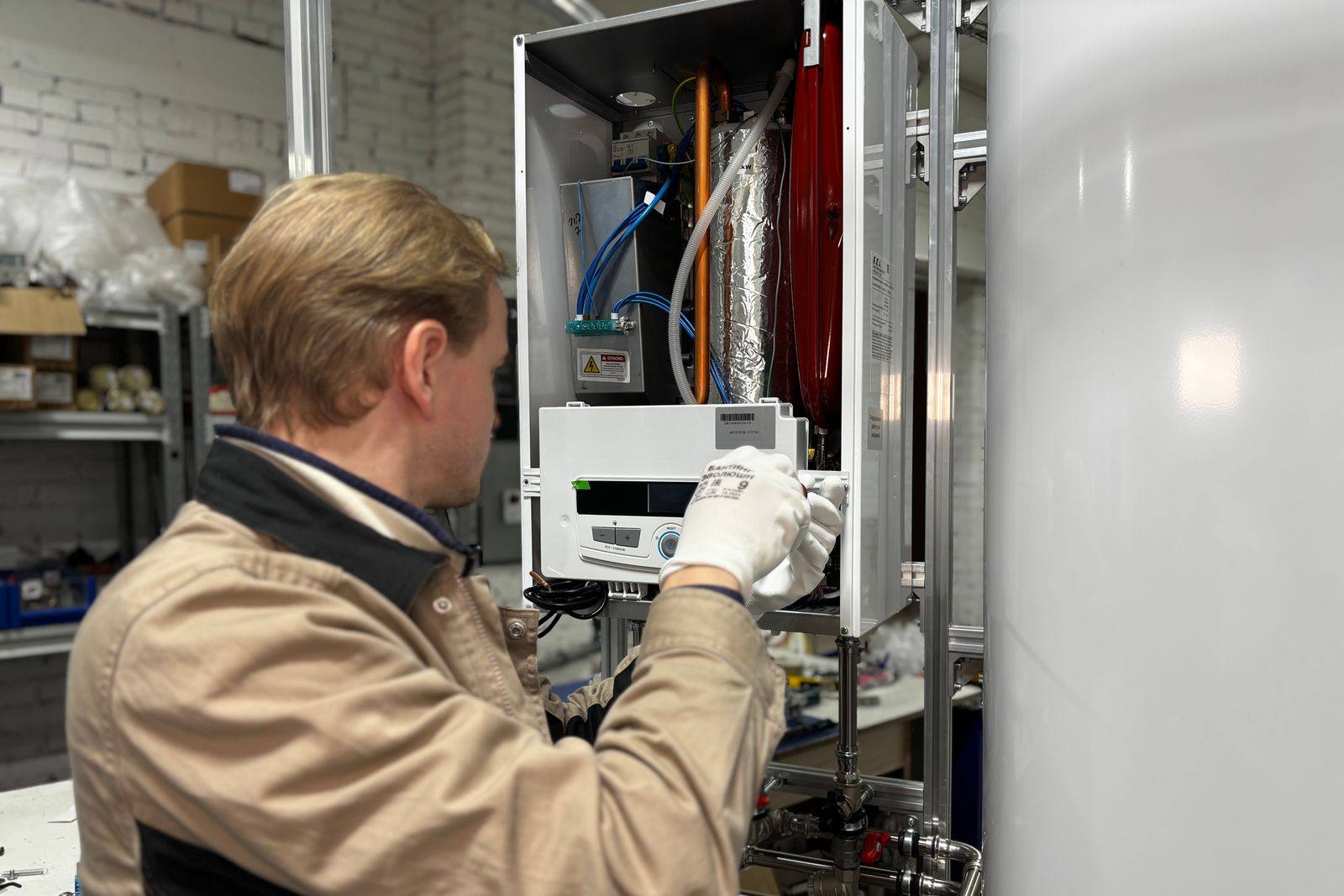
Gas Line Repair & Installation built for Pueblo conditions
Pueblo is a southern Colorado city on the Arkansas River, where most homes are heated with natural gas supplied by Black Hills Energy. Furnaces, water heaters, stoves, and dryers all run on gas, so a gas line problem affects the whole home. High desert winters are cold enough to stress older lines, and the city's historic homes often still have original gas piping.
Gas line repair and installation covers the pipes that carry natural gas or propane to the appliances in a home — stoves, dryers, fireplaces, water heaters, furnaces, and outdoor grills. The work includes finding and repairing leaks, replacing corroded or damaged lines, and running new lines for a new appliance or a remodel. Gas work is different from other plumbing: a leak is a safety hazard, so the first step is always to make the area safe, and the work is pressure-tested and checked before the line is put back into service. If you smell gas, the right call is not to a repair provider first — it is to leave the home and call your gas company from outside. Once the area is safe, a provider repairs the line and proves it sound with a pressure test.
Why gas line repair and installation fails here
Most Pueblo homes are gas-heated, so gas lines run to the furnace, the water heater, and often the stove and dryer. Older gas lines in historic homes corrode at joints, and a line that was extended for a new appliance may not have been sized or installed properly. Hard water in the area is a separate issue for water lines, not gas lines.
Pueblo housing runs from historic homes near downtown, through mid-century neighborhoods, to newer subdivisions on the edges. Many homes still have their original gas lines, and older homes often have gas piping that predates modern standards.
What you can get help with here
- - Gas Line Repair & Installation — Repairing gas leaks and installing new gas lines — for stoves, dryers, fireplaces, and more.
- - Gas Leak Repair — Finding and fixing a gas leak — safely, and with the line pressure-tested afterwards.
- - New Gas Line Installation — Running a new gas line — for a new appliance, a remodel, or an outdoor grill.
- - Gas Line for Appliances — Connecting a gas stove, dryer, or fireplace — the right line, the right valve, tested safe.
- - Gas Pressure Testing — Pressurising a gas line with air to prove it is sound — after a repair or a new installation.
Service area
Requests are accepted from Colorado City and the rest of Pueblo County, Colorado — 10 ZIP codes in total across 2 cities, each verified in the coverage feed. The service area page lists every ZIP code covered in each city.
How it works
Use the request form to describe the problem, when it started, and where you are. Your request is shared with independent local gas line repair providers who serve your part of Pueblo County, Colorado. The provider discusses inspection, options, and pricing directly with you. There is no fee from this site and no obligation.
Frequently Asked Questions
What should I do if I smell gas?
Leave the home immediately, do not switch anything electrical on or off — including light switches and phones — and call your gas company from outside. Do not try to find the leak yourself, and do not turn the gas back on until the line has been checked and pressure-tested.
Does gas line work need a permit or an inspection?
Yes — gas work should be done by a qualified provider who understands gas systems, and a new line or a repair usually has to meet the applicable code requirements. A permit and an inspection are often required, and the provider will explain what is needed for your home.
How long does gas line work take?
It depends on the job. A simple repair — a faulty valve or a loose fitting — can often be done in one visit. A new gas line takes longer, because the route has to be planned, the pipe installed, and the line pressure-tested and inspected before it is put into service.
Can I check for a gas leak myself?
No — never use a match, a lighter, or any open flame to look for a gas leak, and never switch electrical equipment on or off near a suspected leak. Leave the home and call your gas company from outside. A provider finds a leak with a detection solution or an electronic detector, never with a flame.
What appliances can a gas line serve?
A gas line can be run to most gas appliances — stoves, dryers, fireplaces, water heaters, furnaces, outdoor grills, and pool heaters. The provider sizes the pipe for the appliance's gas demand and plans the route from the meter to the appliance.