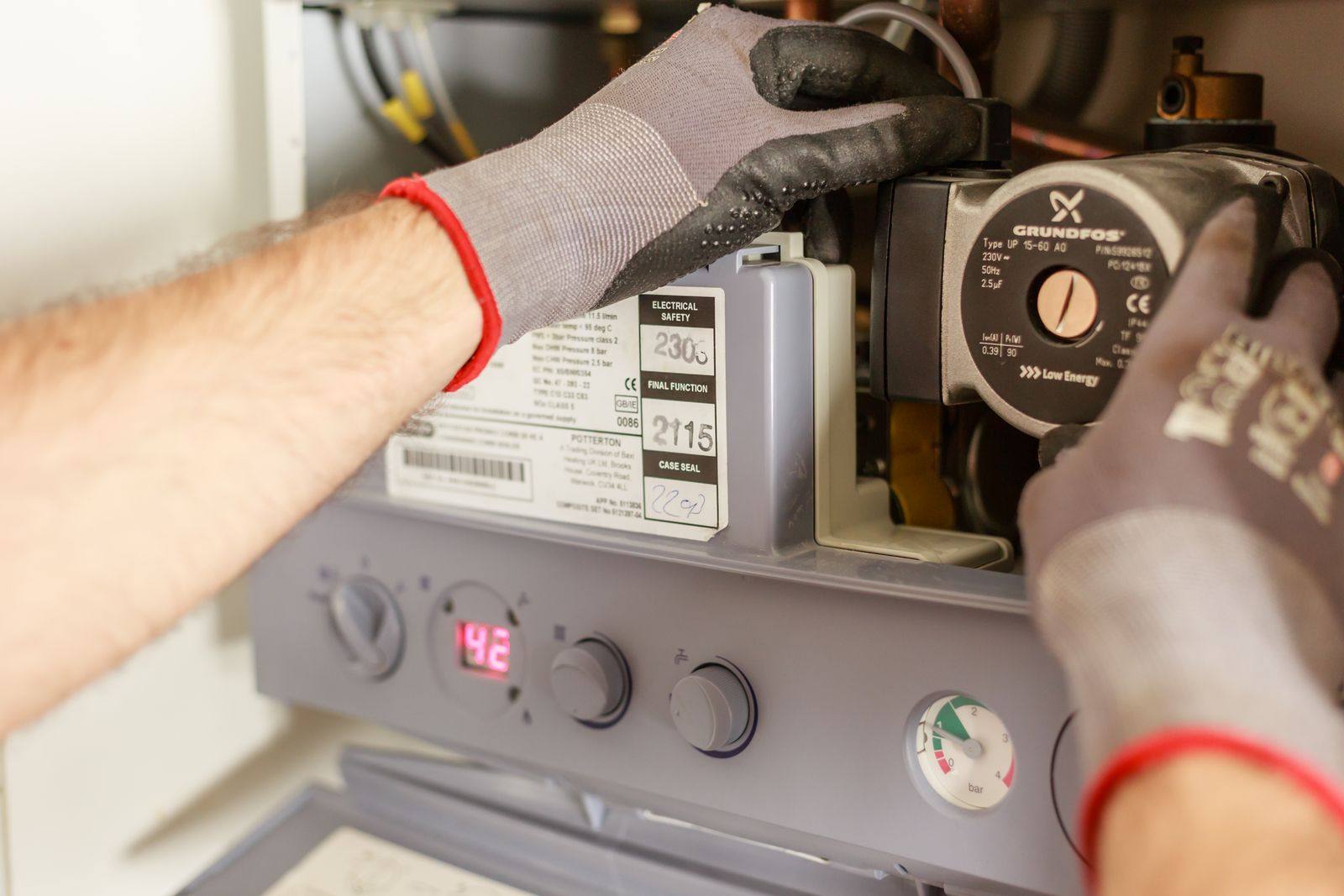
New Gas Line Installation in Pueblo
A new gas line installation runs a gas pipe from the meter or an existing line to a new appliance — a stove, a dryer, a fireplace, an outdoor grill, or a pool heater. The provider plans the route, sizes the pipe for the appliance's gas demand, installs the line, and pressure-tests the whole run before the appliance is connected. A permit and an inspection are often required, and the work has to meet the applicable code requirements before the line is put into service.
Requests are accepted in all 9 Pueblo ZIP codes where coverage is verified: 81001, 81002, 81003, 81004, 81005, 81006, 81007, 81008, and 81012. Requests are shared with independent local gas line repair providers.
Signs you need new gas line installation
A new gas appliance with no line to it
A new gas stove, dryer, or fireplace needs a gas line run to it. The provider plans the route, sizes the pipe for the appliance, and installs the line.
A remodel that moves a gas appliance
A remodel that moves a kitchen or a laundry room usually means the gas line has to move too. The old line is capped off and a new line is run to the appliance's new location.
An outdoor appliance that needs gas
An outdoor grill, a fire pit, or a pool heater needs a gas line run outside — usually underground, with the pipe protected from soil and moisture.
How it is fixed
The provider surveys the route from the meter to the appliance, sizes the pipe for the appliance's demand, and installs the line — through walls, floors, or underground, depending on the route. The whole run is pressure-tested, the appliance is connected, and the work is checked against the applicable code requirements before it is put into service.
What a visit usually involves
- - Describe the problem — The provider asks what is happening — a smell of gas, an appliance that will not light, a new appliance that needs a line — and whether the gas has been shut off.
- - Safety check and survey — For a leak, the gas is confirmed off and the area is checked as safe. For a new line, the route is surveyed from the meter to the appliance.
- - Repair or installation and testing — The leak is found and repaired, or the new line is installed, and the whole run is pressure-tested to confirm it is sound.
- - Connection and final checks — The appliance is connected and lit, the flame is checked, and the provider explains what was done and what to watch for — including the smell of gas and what to do if it returns.
What it costs
Gas line work is priced by the job, not by the hour alone, and it is usually quoted after an inspection. A simple repair — replacing a faulty valve or resealing a fitting — is commonly in roughly the $150–$500 range. Running a new gas line to an appliance is more, commonly in roughly the $300–$1,000 range depending on the length of the run, how accessible it is, and whether the line has to pass through walls or floors. A pressure test is usually priced as part of the job or as a separate visit. Permits and inspection, where required, add to the cost. Any figure here is general guidance, not a quote — the provider who inspects the line gives the actual price.
Pueblo homes and their plumbing
Pueblo housing runs from historic homes near downtown, through mid-century neighborhoods, to newer subdivisions on the edges. Many homes still have their original gas lines, and older homes often have gas piping that predates modern standards.
Frequently Asked Questions
What is involved in running a new gas line?
The provider plans the route from the meter or the existing line to the appliance, installs the pipe, and pressure-tests the whole run before connecting the appliance. A permit and an inspection are often required, and the provider will explain what is needed for your home.
How long does a new gas line take to install?
It depends on the length of the run and how accessible it is. A short run to a stove in the next room can often be done in a day; a long run through walls and floors, or an underground run to an outdoor appliance, takes longer.
Do I need a permit for a new gas line?
Yes — a permit and an inspection are often required for a new gas line, and the work has to meet the applicable code requirements. The provider will explain what is needed and will usually arrange the inspection as part of the job.